Compare Local Contractors for Overlay Installation Services
Compare local contractors for overlay installation to define project scope, verify experience, and set clear expectations for a successful project.
Overlay installation services typically involve applying a new surface layer over existing flooring, paving, or other structural elements. This work can cover a variety of materials, including concrete overlays, decorative coatings, or specialized surface treatments designed to enhance durability and appearance. Property owners often seek these services to improve the look of existing surfaces, address minor damages, or achieve a specific aesthetic without complete replacement. Understanding the scope of overlay work helps ensure that the chosen service provider can deliver results that meet the desired functional and visual outcomes.
Defining the scope of overlay installation is essential for setting clear expectations and ensuring the project meets specific needs. A detailed scope outlines the surfaces to be covered, the types of overlays to be used, surface preparation requirements, and any finishes or textures desired. Clear documentation helps prevent misunderstandings and provides a basis for evaluating proposals from different contractors. When property owners specify their expectations in writing, it becomes easier to verify that the service provider has the relevant experience and can handle the particular requirements of the job.
Comparing local contractors for overlay installation involves assessing their experience, reputation, and the quality of their previous work. Property owners can request references or examples of completed projects similar in scope and style. It’s also beneficial to review the credentials and background of each service provider, including how long they have been working in the area. Gathering multiple bids and detailed proposals allows for a side-by-side comparison of the scope of work, materials, and methods proposed. This process helps property owners identify service providers who are well-equipped to handle the specific overlay installation needs, ensuring a successful project outcome.
Compare local contractors by outlining your project priorities, verifying experience, and setting clear expectations in writing.
- Compare Contractor Experience - Review the backgrounds of local contractors to ensure they have relevant overlay installation expertise.
- Define Project Scope Clearly - Establish detailed project requirements and expectations in writing before work begins.
- Verify Credentials and References - Check references and past work to assess the reliability of local service providers.
- Set Written Agreements - Document all project details, including scope and responsibilities, to avoid misunderstandings.
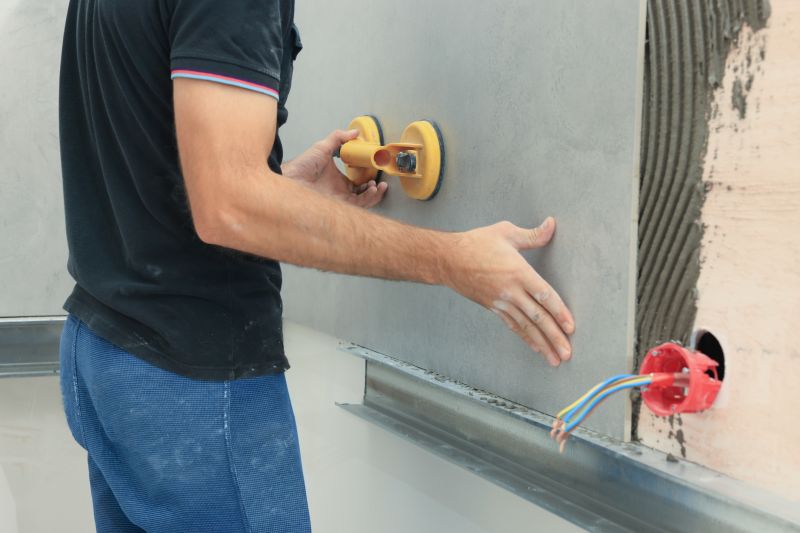
Before comparing contractors, clearly define your overlay installation project and outline expectations to ensure accurate evaluations.
- Verify that the contractor has experience with overlay installation and understands the specific requirements of your project. - Ensure the scope of work is clearly defined and documented in writing before beginning the project.
- Assess the contractor’s knowledge of surface preparation, including cleaning and repairing existing surfaces for proper overlay adhesion. - Confirm that the service provider follows proper application techniques to ensure a durable finish.
- Check that the contractor uses appropriate materials suited for overlay installation and explains their selection. - Make sure all project details, including materials and methods, are outlined in a formal agreement.
- Evaluate the contractor’s ability to provide references or examples of previous overlay projects completed successfully. - Clarify the expectations for the work quality and finish to avoid misunderstandings.
- Discuss the contractor’s process for addressing potential issues or adjustments during the installation process. - Ensure there is a plan for handling unforeseen challenges and that these are documented.
Use this as a guide to compare local contractors, clarify scope, and set clear expectations.



When comparing contractors for overlay installation, ensure consistency in scope, experience verification, and written expectations.
- Scope Definition - Clearly outline the specific areas and surfaces where the overlay will be installed.
- Material Selection - Specify the type and color of overlay materials to be used for the project.
- Preparation Requirements - Identify necessary surface preparations and conditions needed before installation begins.
- Experience Verification - Confirm that local contractors have relevant experience with overlay installation projects.
- Written Agreement - Ensure all project details, expectations, and responsibilities are documented in a formal agreement.
When comparing contractors for overlay installation, it’s important to assess their experience with similar projects. Homeowners should inquire about the types of overlays the contractors have installed and request details on projects comparable in size and complexity. Understanding a contractor’s background with specific overlay materials and surface conditions can help gauge their familiarity with the work required. A contractor with a history of successful overlay installations on comparable surfaces is more likely to be equipped to handle the unique challenges of each project.
A clear, written scope of work is essential for ensuring that both parties have aligned expectations. Homeowners should seek detailed descriptions of the work to be performed, including surface preparation, materials used, and any finish or texture expectations. Having a documented scope helps prevent misunderstandings and provides a reference point throughout the project. Service providers who can articulate their process and outline what is included-and what is not-demonstrate professionalism and transparency.
Verification basics involve confirming a contractor’s experience and qualifications through references or portfolios of completed projects. Homeowners should ask for contact information from previous clients or examples of past overlay installations that showcase quality craftsmanship. It’s also advisable to verify that the contractor adheres to industry standards and best practices for surface preparation and application techniques. This due diligence can provide confidence in the contractor’s ability to deliver results that meet expectations.
Evaluating options without focusing on prices involves examining how well each contractor’s approach aligns with project needs. Homeowners should compare the clarity of scope, the level of experience demonstrated, and the professionalism of communication. It’s beneficial to consider how each service provider plans to handle surface preparation, material selection, and finishing details. By assessing these factors, homeowners can identify the best fit for their overlay installation project based on expertise and clarity of service, rather than cost alone.
Ask contractors to provide written scope details to ensure clear expectations and consistent project understanding.
- Experience and Expertise - What specific experience do local contractors have with overlay installation projects?
- Scope of Work - How do contractors define and document the scope of overlay installation services?
- Materials and Methods - What materials and installation techniques do local service providers recommend for your project?
- Project Expectations - How do contractors clarify the expected outcomes and quality standards in writing?
- Comparison Criteria - What factors should be used to compare contractors beyond pricing and timelines?
What should I consider when choosing a contractor for overlay installation? It's important to compare local contractors based on their experience, reputation, and the scope of services they offer. Reviewing their previous work and verifying their expertise can help ensure a smooth project.
How can I define the scope of overlay installation with a contractor? Clearly outline your project needs, including the type of overlay, surface area, and any specific requirements. Communicating these details in writing helps set expectations and guides the contractor’s planning.
What questions should I ask a contractor about their experience with overlay projects? Ask about their previous experience with similar overlay installations, types of surfaces they’ve worked on, and whether they have handled projects of comparable size and complexity.
Why is it important to get a written agreement with a contractor? A written agreement helps clarify the scope of work, materials to be used, and project expectations, reducing potential misunderstandings and providing a reference for the project’s details.
How can I verify the credentials of local contractors for overlay installation? Check references, review their portfolio of completed projects, and ensure they have a solid reputation within the community or industry to gauge their reliability and expertise.
What should I do before hiring a contractor for overlay installation? Define your project scope, compare multiple service providers, ask about their experience, and confirm that all project details are documented in writing before proceeding.
This page has highlighted the key steps to finding the right contractors for overlay installation, including how to define the scope of work, verify experience, and set clear expectations in writing. Understanding these aspects can help in making informed comparisons among service providers and selecting the most suitable option for the project. Utilizing the quote form allows for easy access to local contractors, enabling you to explore your choices and gather the information needed to make confident decisions.
By using the quote form, visitors can connect with experienced local contractors who specialize in overlay installation. Comparing options through this process can help identify service providers that meet specific project needs and preferences. Taking the time to evaluate and define your project details in writing ensures clarity and helps facilitate a smooth working relationship with chosen service providers.